Wegovy (Semaglutide 2.4mg) in Australia: PBAC Recommendation, Dosing, and Pharmacist Guide
Wegovy has been recommended for PBS listing by the PBAC for adults with established cardiovascular disease and obesity. Here's what pharmacists need to know about the expected eligibility criteria, dose escalation, pen devices, storage, and essential counselling points.
The GdayPharmacist Team
25 February 2026
11 min read
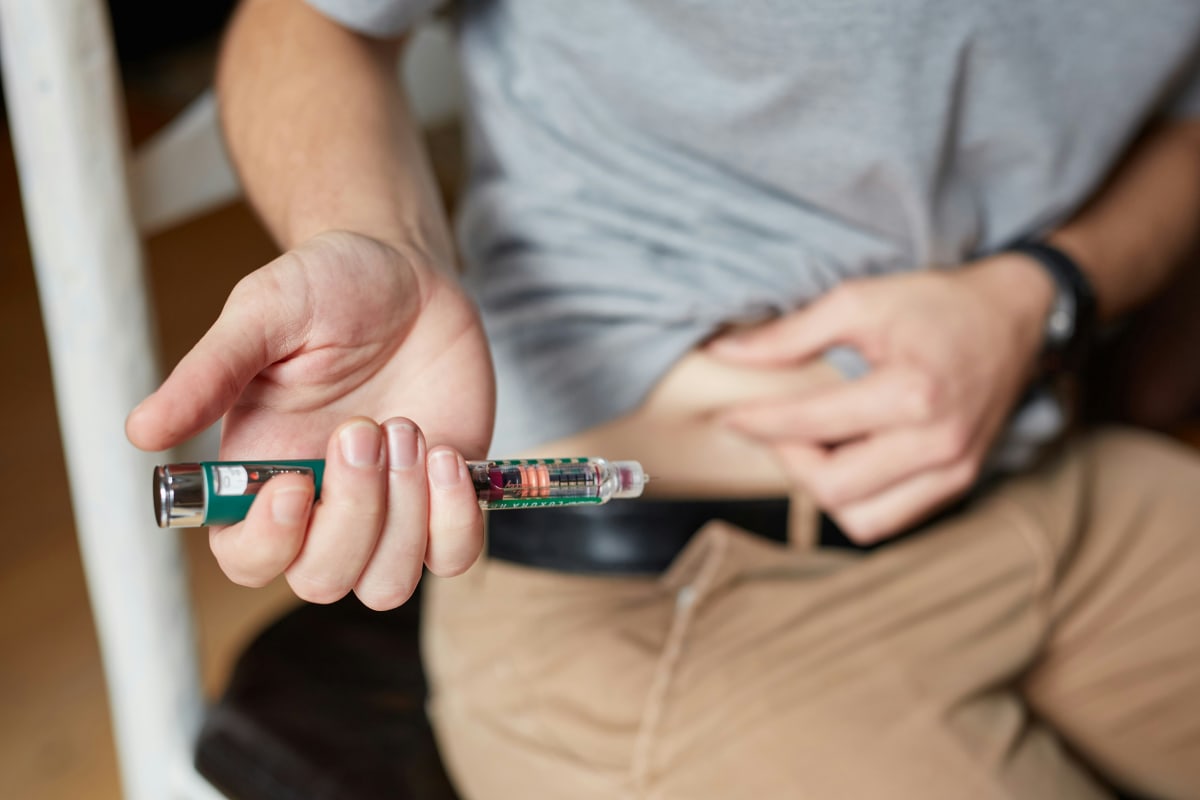
Wegovy (Semaglutide 2.4mg) in Australia: PBAC Recommendation, Dosing, and Pharmacist Guide
Wegovy is set to change the weight management landscape in Australia. In November 2025, the Pharmaceutical Benefits Advisory Committee (PBAC) recommended semaglutide 2.4mg for PBS listing — but with narrower eligibility criteria than many expected, and the listing itself is not yet finalised.
For pharmacists, this means understanding what's coming, who will be eligible, and how to counsel patients who are already asking about it.
Current Status: Where Things Stand
As of early 2026, Wegovy is NOT yet PBS-listed. Here's the timeline:
| Milestone | Status |
|---|---|
| TGA registration | Approved — registered on the ARTG |
| PBAC meeting | 5 November 2025 — Recommended |
| Notice of intent from Novo Nordisk | Awaiting lodgement |
| Price negotiations | Ongoing — PBAC noted the sponsor's pricing assumptions were inaccurate |
| Government listing processes | Not yet commenced |
| Expected PBS listing | Mid-2026 at earliest (estimated) |
The PBAC has recommended listing, but several steps remain before Wegovy appears on the PBS. Price negotiations between the government and Novo Nordisk are still underway, and Health Minister Mark Butler has publicly stated the government is in the process of negotiating the price.
What this means for pharmacists: Patients are asking about Wegovy now. Be prepared to explain that the recommendation exists but the subsidy is not yet available. Patients wanting semaglutide for weight management currently need a private prescription at full cost (approximately A$400–$550 per month).
What is Wegovy?
Wegovy contains semaglutide 2.4mg, administered as a once-weekly subcutaneous injection. It's the same active ingredient as Ozempic, but at a higher dose and with a different approved indication.
| Detail | Information |
|---|---|
| Active ingredient | Semaglutide 2.4mg |
| Sponsor | Novo Nordisk |
| Class | GLP-1 receptor agonist |
| Route | Subcutaneous injection, once weekly |
| Scheduling | S4 — Prescription Only Medicine |
| TGA status | Registered |
| PBS status | PBAC recommended — awaiting listing |
The distinction matters: Ozempic is indicated for type 2 diabetes (doses up to 2mg). Wegovy is indicated for chronic weight management (maintenance dose 2.4mg). Same molecule, different dose, different indication. They should not be used together.
How Semaglutide Works for Weight Loss
GLP-1 receptor agonists mimic the incretin hormone GLP-1, which is released from the gut after eating. Semaglutide at the 2.4mg dose produces weight loss through several mechanisms:
- Central appetite suppression — acts on GLP-1 receptors in the hypothalamus to reduce hunger and increase satiety
- Delayed gastric emptying — food stays in the stomach longer, prolonging fullness
- Reduced food reward signalling — decreases the neural reward response to high-calorie foods
- Improved insulin sensitivity — helps regulate blood glucose, reducing insulin-driven fat storage
This isn't a metabolism booster or a fat burner. It fundamentally changes appetite regulation, which is why patients report genuinely feeling less hungry rather than fighting cravings.
PBAC-Recommended Eligibility Criteria
The PBAC recommendation is narrower than many anticipated. This is not a general obesity listing.
Who Will Be Eligible
The PBAC recommended Wegovy for adults with established cardiovascular disease (eCVD) and obesity. Specifically, patients must have:
- Already experienced a cardiovascular event — such as a heart attack (myocardial infarction), stroke, or have symptomatic peripheral arterial disease
- AND meet the BMI threshold (see below)
BMI Eligibility Criteria
| Population | Minimum BMI |
|---|---|
| General population | ≥35 kg/m² |
| Asian ethnicity | ≥32.5 kg/m² |
| Aboriginal or Torres Strait Islander | ≥32.5 kg/m² |
The lower BMI threshold for specific ethnic groups reflects evidence that cardiovascular risk increases at lower BMI levels in these populations. This is consistent with WHO recommendations for adjusted BMI cut-offs.
What This Means in Practice
This is not a listing for general obesity or weight management. Patients must have both:
- Established cardiovascular disease (prior event, not just risk factors)
- A qualifying BMI
Examples:
- A patient with a BMI of 42 but no cardiovascular disease history would not meet the recommended criteria
- A patient with a BMI of 36 who had a previous myocardial infarction would meet the criteria
- A patient of Asian background with a BMI of 33 who had a previous stroke would meet the criteria
Priority Populations Identified by PBAC
The PBAC also identified additional priority groups for potential future consideration:
- Aboriginal and Torres Strait Islander patients with obesity-related comorbidities
- People with syndromic obesity
- People with medication-induced obesity (e.g., antipsychotic-associated weight gain)
- Those requiring weight loss to be eligible for surgery
These groups are not currently part of the recommendation but signal where future expansion may occur.
The 16-Week Dose Escalation Schedule
Wegovy uses a mandatory dose escalation to minimise gastrointestinal side effects. Each dose level has its own dedicated pen device:
| Week | Dose | Pen Colour |
|---|---|---|
| Weeks 1–4 | 0.25mg | — |
| Weeks 5–8 | 0.5mg | — |
| Weeks 9–12 | 1mg | — |
| Weeks 13–16 | 1.7mg | — |
| Week 17 onwards | 2.4mg (maintenance) | — |
Each escalation step lasts exactly 4 weeks. The full escalation takes 16 weeks before reaching the therapeutic maintenance dose.
Why This Matters for Dispensing
Each dose level is a different product with a different pen. You'll dispense different packs as patients progress through escalation. Make sure patients understand:
- They'll receive a different pen at each step
- The injection technique remains the same
- They should not skip dose levels or increase faster than prescribed
- If they miss doses and need to restart, the prescriber may need to re-escalate
- Dose escalation is not optional — skipping straight to 2.4mg causes severe nausea and vomiting
Dose Reduction Option
If a patient cannot tolerate the 2.4mg maintenance dose, the prescriber may reduce to 1.7mg. If 1.7mg is also not tolerated, discontinuation should be considered rather than maintaining a sub-therapeutic dose long-term.
Storage and Handling
This is where dispensing errors happen most frequently with injectable biologics:
Before First Use
- Store in refrigerator at 2°C to 8°C
- Do not freeze — discard if frozen
- Keep in the outer carton to protect from light
After First Use
- Can be stored at room temperature (below 30°C) or refrigerated
- Must be used within 28 days of first use
- Replace the pen cap after each injection to protect from light
Dispensing Tip
When handing the pen to the patient, confirm whether they have refrigerator access. Patients travelling or without reliable refrigeration need to know the 28-day room temperature window. For patients in remote or regional Australia, plan cold-chain logistics carefully.

Clinical Efficacy: What the Evidence Shows
The STEP clinical trial program provides robust evidence for semaglutide 2.4mg:
- STEP 1 (obesity without diabetes): Average weight loss of 14.9% of body weight over 68 weeks versus 2.4% with placebo
- STEP 2 (obesity with type 2 diabetes): Average weight loss of 9.6% over 68 weeks
- STEP 3 (with intensive behavioural therapy): Average weight loss of 16% over 68 weeks
- STEP 5 (2-year data): Weight loss maintained at 15.2% at 104 weeks
The SELECT trial is particularly relevant to the PBAC recommendation — it demonstrated that semaglutide 2.4mg reduced the risk of major adverse cardiovascular events (MACE) by 20% in adults with established cardiovascular disease and overweight/obesity without diabetes. This cardiovascular outcome data is the foundation of the PBAC's recommended indication.
Setting Realistic Expectations
- Most patients won't see significant weight loss during the first 4–8 weeks of dose escalation
- The full therapeutic effect emerges at the maintenance dose over months
- Average weight loss is 15% — some patients will lose more, some less
- Weight regain is common if the medication is discontinued, which is why long-term treatment is typically required
- Lifestyle modification (diet and exercise) should continue alongside medication
Side Effects and Management
Very Common (>10% of patients)
- Nausea — most common, usually worst during dose escalation
- Diarrhoea
- Vomiting
- Constipation
- Abdominal pain
GI Side Effect Counselling — Detailed Management
The gastrointestinal effects are the main reason patients discontinue. Proactive counselling reduces dropout:
- Eat smaller, more frequent meals — 5–6 small meals rather than 3 large ones
- Avoid high-fat, greasy, or very rich foods — especially during escalation
- Stay well hydrated — at least 1.5–2 litres of water daily
- Eat slowly and stop when full — the satiety signal is stronger on semaglutide
- Avoid lying down immediately after eating — reduces nausea
- Bland foods during nausea episodes — crackers, toast, rice, bananas
- GI symptoms typically improve after 4–8 weeks at each dose level
- If vomiting is persistent, contact the prescriber — dose reduction or temporary pause may be needed
Serious Adverse Effects to Monitor
- Pancreatitis — counsel on persistent severe abdominal pain radiating to the back
- Gallbladder events — cholelithiasis risk increases with rapid weight loss
- Hypoglycaemia — particularly if co-prescribed with insulin or sulfonylureas (dose reduction of these agents may be needed)
- Injection site reactions — rotate injection sites (abdomen, thigh, upper arm)
- Suicidal ideation — TGA and EMA have investigated reports; counsel patients to report mood changes
Contraindications and Precautions
Contraindications
- Personal or family history of medullary thyroid carcinoma (MTC)
- Multiple Endocrine Neoplasia syndrome type 2 (MEN2)
- Known hypersensitivity to semaglutide or excipients
- Pregnancy and breastfeeding — discontinue at least 2 months before planned conception
Use With Caution
- History of pancreatitis
- Severe gastrointestinal disease (gastroparesis, inflammatory bowel disease)
- Hepatic impairment (limited data)
- History of gallbladder disease
- Diabetic retinopathy (risk of temporary worsening with rapid glucose improvement)
- Severe renal impairment (limited data; not recommended if eGFR <15 mL/min)
Drug Interactions
- Insulin and sulfonylureas — hypoglycaemia risk; dose reduction of these agents typically required
- Oral medications — delayed gastric emptying may affect absorption of concomitant oral medicines. Clinically significant for narrow therapeutic index drugs (warfarin, levothyroxine, oral contraceptives). Monitor and adjust as needed
- Oral contraceptives — consider additional contraceptive measures or switch to non-oral methods during dose escalation when GI disturbance is most likely
Pharmacist Counselling Checklist
When dispensing Wegovy (currently on private prescription), cover these points:
- Injection technique — demonstrate pen use, needle attachment, dose confirmation window, site rotation (abdomen, thigh, upper arm)
- Timing — same day each week, any time of day, with or without food
- Storage — fridge before first use, room temp or fridge for 28 days after
- Dose escalation — explain the 16-week ramp-up and why it matters for tolerability
- GI management — smaller meals, avoid fatty foods, stay hydrated, eat slowly
- When to seek medical help — severe abdominal pain, persistent vomiting, signs of allergic reaction, mood changes
- Missed dose — if within 5 days of scheduled dose, inject as soon as possible. If more than 5 days, skip and inject on the next scheduled day
- PBS status — explain that PBS listing is expected but not yet finalised; currently requires a private prescription
- Contraception — women of childbearing age should use effective contraception; discontinue semaglutide at least 2 months before planned pregnancy
- Lifestyle — medication works best alongside healthy eating and regular physical activity
Key Takeaways for Pharmacists
- Wegovy = semaglutide 2.4mg for chronic weight management, not diabetes
- PBAC recommended in November 2025 but PBS listing is not yet finalised — expected mid-2026
- Narrow eligibility — established cardiovascular disease AND obesity (BMI ≥35, or ≥32.5 for Asian/Aboriginal/Torres Strait Islander)
- This is NOT a general obesity listing — prior cardiovascular event required
- 16-week dose escalation (0.25mg → 0.5mg → 1mg → 1.7mg → 2.4mg) with different pen devices at each level
- GI side effects are the primary reason for discontinuation — proactive counselling helps retention
- Storage matters — refrigerate before first use, 28 days at room temp after
- Not interchangeable with Ozempic — different dose, different indication
- SELECT trial showed 20% MACE reduction — the evidence basis for this cardiovascular-focused listing
- Weight regain is common after discontinuation — long-term treatment is usually required
For more on how Wegovy compares to other GLP-1 agonists, see our Ozempic vs Mounjaro comparison guide. Preparing for the OPRA or intern exam? Visit our exam preparation resources.
References: PBAC Outcomes — November 2025 Meeting, PBS Medicine Status — Semaglutide (pbs.gov.au), TGA Product Information for Wegovy (semaglutide), Australian Medicines Handbook (AMH), Novo Nordisk STEP and SELECT Clinical Trial Programs, newsGP — Wegovy Recommended for PBS Listing
Frequently Asked Questions
Is Wegovy available on the PBS in Australia?
Not yet. The PBAC recommended Wegovy for PBS listing in November 2025, but several steps remain before it appears on the PBS. Novo Nordisk has not yet lodged its notice of intent, price negotiations are ongoing, and government listing processes have not commenced. PBS listing is expected around mid-2026 at the earliest. Currently, Wegovy requires a private prescription at full cost (approximately A$400–$550 per month).
Who will be eligible for Wegovy on the PBS?
The PBAC recommended Wegovy for adults with established cardiovascular disease (prior heart attack, stroke, or symptomatic peripheral arterial disease) AND obesity with a BMI of 35 or greater, or 32.5 or greater for people of Asian, Aboriginal, or Torres Strait Islander ethnicity. This is not a general obesity listing — a prior cardiovascular event is required. Patients with obesity alone, even severe obesity, would not meet the current recommended criteria.
What is the difference between Wegovy and Ozempic?
Both contain semaglutide, but Wegovy is dosed at 2.4mg weekly for chronic weight management, while Ozempic is dosed at 0.5mg, 1mg, or 2mg weekly for type 2 diabetes. They have different TGA-approved indications and different PBS criteria. Wegovy's higher dose produces greater weight loss (approximately 15% of body weight) compared to Ozempic at diabetes doses. They should not be used together.
How long does Wegovy dose escalation take?
The dose escalation takes 16 weeks: 0.25mg for weeks 1–4, 0.5mg for weeks 5–8, 1mg for weeks 9–12, 1.7mg for weeks 13–16, then the maintenance dose of 2.4mg from week 17 onwards. Each dose level uses a different pen device. The escalation is mandatory to minimise gastrointestinal side effects — patients should never skip straight to the maintenance dose.
What are the most common side effects of Wegovy?
Gastrointestinal side effects are most common: nausea (very common, >10%), diarrhoea, vomiting, constipation, and abdominal pain. These are usually worst during dose escalation and improve over 4–8 weeks at each dose level. Management includes eating smaller meals, avoiding fatty foods, staying hydrated, and eating slowly. Serious but rare effects include pancreatitis and gallbladder events. Contact a doctor for persistent severe symptoms.
How should Wegovy pens be stored?
Before first use, store Wegovy pens in the refrigerator at 2–8°C. Do not freeze — discard if frozen. After first use, the pen can be kept at room temperature (below 30°C) or in the fridge, but must be used within 28 days. Replace the pen cap after each injection to protect from light. Each dose level during escalation is a separate pen device.
Will I regain weight if I stop taking Wegovy?
Clinical trial data shows that weight regain is common after discontinuing semaglutide. In the STEP 1 extension study, participants regained approximately two-thirds of the weight lost within one year of stopping treatment. This is why Wegovy is considered a long-term treatment rather than a short course. Ongoing lifestyle modification (healthy eating and regular physical activity) alongside the medication provides the best long-term outcomes.
Can I take Wegovy if I have type 2 diabetes?
Wegovy is approved for chronic weight management, not specifically for type 2 diabetes (Ozempic is the semaglutide product for diabetes). However, patients with type 2 diabetes who also meet the PBAC-recommended criteria (established cardiovascular disease plus qualifying BMI) may be eligible. Importantly, if a patient is already taking Ozempic or another GLP-1 RA for diabetes, they cannot take Wegovy concurrently — the two semaglutide products should never be combined.
Related Articles
Vistella (Calcifediol) in Australia: Monthly Vitamin D for Deficiency
Vistella is Australia's first high-strength calcifediol – a once-monthly vitamin D treatment now TGA-approved. Learn when calcifediol works better than cholecalciferol, dosing, and key counselling points for pharmacists.
10 min read
Ozempic vs Mounjaro in Australia: Clinical Comparison, PBS Access, and What Pharmacists Need to Know
Semaglutide and tirzepatide are both effective for type 2 diabetes, but only Ozempic is PBS-subsidised in Australia. Mounjaro was rejected by PBAC in November 2024 and remains private-only at significant cost. Here's the full clinical and access comparison.
14 min read