CPD Changes 2026: APC Retiring Standards, PSA Taking Over
The APC is stepping back from CPD accreditation. Here's what's changing, when, and what it means for your continuing professional development.
The GdayPharmacist Team
18 December 2025
11 min read
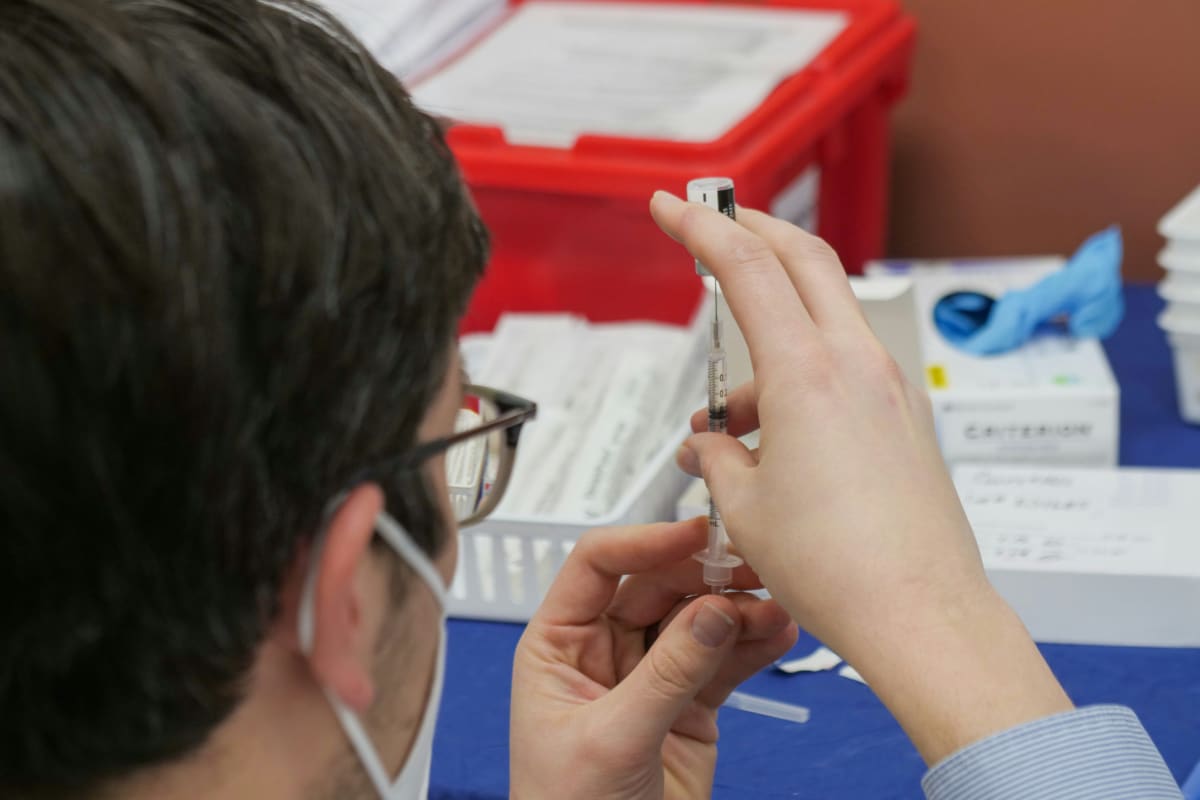
CPD Changes 2026: APC Retiring Standards, PSA Taking Over — What Every Pharmacist Needs to Know
The landscape of continuing professional development (CPD) accreditation for Australian pharmacists is undergoing its most significant change in over a decade. The Australian Pharmacy Council (APC) is retiring its CPD accreditation activities, and the Pharmaceutical Society of Australia (PSA) is stepping in with a new accreditation framework.
If you are a registered pharmacist, an intern pharmacist, or a CPD provider, these changes directly affect you. This guide explains what is happening, why, when the changes take effect, and what you need to do.
What Is Changing?
The Australian Pharmacy Council is permanently retiring its CPD accreditation activities and the Accreditation Standards for CPD Activities that have been in place since 2013.
According to APC CEO Bronwyn Clark: "The Pharmacy Board of Australia does not mandate the need for CPD to be accredited by a third party."
This means:
- The APC will no longer accredit CPD programmes or activities
- The APC's three CPD accrediting partners will stop accrediting new activities
- The APC CPD accreditation logo will eventually be phased out
- The APC will refocus on its core functions: accrediting pharmacy degree programmes, intern training programmes, and specialist pharmacist education
What Is NOT Changing
It is important to understand what remains the same:
- The Pharmacy Board of Australia still requires pharmacists to complete CPD as a condition of registration
- The amount of CPD required has not changed
- Your obligation to document CPD has not changed
- The types of activities that count as CPD have not changed
- CPD does not need to be third-party accredited to count toward your registration requirements — this was always the case, but many pharmacists did not realise it
Why Is the APC Stepping Back?
The APC's CPD accreditation standards were developed in 2013 — over a decade ago. Since then, pharmacy practice has evolved considerably:
- Expanded scope of practice: Pharmacists now vaccinate, prescribe certain medications in some states, and provide a broader range of clinical services
- New practice settings: Pharmacists work in general practice clinics, aged care facilities, Aboriginal health services, and digital health platforms
- Evidence-based practice shifts: Treatment guidelines, medication safety frameworks, and professional standards have all been updated multiple times
- Digital learning: Online and blended CPD delivery has become the norm, requiring different quality assurance approaches
Rather than overhaul its 2013 standards, the APC made a strategic decision to exit CPD accreditation entirely and focus on the accreditation activities where it has the most impact: pharmacy education programmes and training.
The PSA's New CPD Accreditation Standards
The Pharmaceutical Society of Australia (PSA) has launched new CPD accreditation standards that came into effect on 12 December 2025.
According to PSA National President Associate Professor Fei Sim, these standards "will give pharmacists the confidence that the CPD they access is of high quality and supports their ongoing professional development."
Key Features of the PSA Framework
The PSA's CPD accreditation framework includes:
- Quality assurance: Programmes must meet defined quality criteria covering content accuracy, educational design, and learning outcomes
- Practice relevance: Accredited CPD must be demonstrably relevant to current Australian pharmacy practice
- Outcome-focused assessment: Emphasis on whether the CPD activity achieves measurable learning outcomes, not just content delivery
- Multiple delivery modes: The framework accommodates face-to-face, online, blended, and self-directed learning formats
- Regular review: Accredited programmes are reviewed periodically to ensure ongoing quality and relevance
How PSA Accreditation Differs from APC Accreditation
| Aspect | APC (Retired) | PSA (New) |
|---|---|---|
| Standards basis | 2013 Accreditation Standards | 2025 PSA CPD Accreditation Standards |
| Scope | Broad CPD activities | Comprehensive CPD programmes and activities |
| Review approach | Periodic | Ongoing with regular review cycles |
| Application process | Via APC partners | Direct to PSA |
| Contact | N/A (retired) | CPDaccreditation@psa.org.au |
Key Dates and Timeline
Understanding the timeline is essential for both pharmacists and CPD providers:
| Date | What Happens |
|---|---|
| 12 December 2025 | PSA's new CPD Accreditation Standards come into effect |
| 31 December 2025 | APC's three CPD accrediting partners stop accrediting new activities |
| 5 January 2026 | PSA application forms and provider handbook become available |
| Throughout 2026 | Existing APC-accredited programmes remain valid until their individual expiry dates |
| 31 December 2026 | Last date APC-accredited programmes may display APC accreditation logos |
| 2027 onwards | Only PSA accreditation available for new CPD programmes |
Impact on Registered Pharmacists
Your Registration Requirements Are Unchanged
The Pharmacy Board of Australia requires all registered pharmacists to:
- Complete a minimum of 40 hours of CPD per registration period (1 December to 30 November)
- Maintain a CPD portfolio documenting your activities
- Ensure CPD is relevant to your practice and covers a range of competency areas
These requirements are not affected by the APC-to-PSA transition. The Board has never mandated that CPD must be third-party accredited — it mandates that CPD must be completed, documented, and relevant.
What "Accredited" vs "Non-Accredited" CPD Actually Means
Many pharmacists assume that only "accredited" CPD counts. This is incorrect. The Pharmacy Board accepts both accredited and non-accredited CPD, provided it:
- Is relevant to your practice
- Is appropriately documented
- Contributes to your professional development
- Covers a range of competency areas over time
Accreditation is a quality assurance mechanism — it means a third party has reviewed the programme and confirmed it meets defined standards. But non-accredited CPD (e.g., reading journal articles, attending professional meetings, undertaking self-directed learning) absolutely counts.
Practical Changes for Pharmacists
In practice, most pharmacists will notice minimal disruption:
- If you use accredited CPD programmes: Look for the PSA Accredited CPD mark on new programmes from 2026 onwards. Existing APC-accredited programmes remain valid until they expire.
- If you use non-accredited CPD: Nothing changes for you. Continue documenting your activities as usual.
- If you use a mix: Continue as you are. The transition is between accrediting bodies, not between CPD requirements.
Impact on Intern Pharmacists
Intern pharmacists have specific CPD requirements as part of their intern training programme. The APC-to-PSA transition does not change these requirements.
What Interns Need to Know
- Your intern training programme is accredited separately by the APC (this is not affected — the APC continues to accredit intern training programmes)
- Any CPD you complete during your intern year counts toward your professional development
- Focus on CPD that supports your competency development in the six National Competency Standards areas
- Document all CPD activities in your portfolio — this supports your evidence of competence for the intern exams
CPD Activities Relevant to Interns
Useful CPD for intern pharmacists includes:
- Clinical case studies and therapeutic decision-making exercises
- Medication safety modules
- Communication skills training
- Cultural competency and Aboriginal and Torres Strait Islander health
- Legal and ethical practice scenarios
- Pharmaceutical calculations practice
Impact on CPD Providers
If you are an organisation that provides CPD programmes for pharmacists, the transition requires action.
Transition Steps for Providers
- Note the deadline: APC accrediting partners stopped accepting new applications on 31 December 2025
- Review PSA requirements: The PSA provider handbook became available on 5 January 2026
- Apply for PSA accreditation: Submit your application through PSA's process
- Update your materials: Remove APC accreditation logos by 31 December 2026 if your APC accreditation is not being renewed
- Contact PSA: Email CPDaccreditation@psa.org.au or phone 1300 369 772 (Monday–Friday, business hours)
Existing APC Accreditation
If your programme currently holds APC accreditation:
- It remains valid until its individual accreditation expiry date
- You may continue to display the APC logo until 31 December 2026
- You should plan to transition to PSA accreditation before your APC accreditation expires
What Pharmacists Should Do Now
1. Check Your Current CPD Status
Review your CPD portfolio for the current registration period. Ensure you are on track to meet the 40-hour minimum before 30 November.
2. Understand Your Requirements
Read the Pharmacy Board's CPD requirements to understand what is mandatory. Remember: CPD does not need to be accredited to count.
3. Document Everything
Whether your CPD is accredited or not, document it properly. Include:
- Activity title and provider
- Date and duration
- Learning outcomes
- How you will apply the learning to your practice
- Reflection on the activity
4. Look for the PSA Accreditation Mark
From 2026 onwards, if you prefer accredited CPD, look for the PSA Accredited CPD mark. This indicates the programme has been reviewed and meets the new quality standards.
5. Continue Your CPD as Normal
The most important message: do not pause your CPD because of this transition. Your obligation to complete CPD is unchanged. The transition is administrative — it affects who accredits programmes, not whether you need to do CPD.
How GdayPharmacist Helps with CPD
At GdayPharmacist, our courses and learning resources are designed to support your ongoing professional development:
- OPRA and Intern Exam preparation courses cover therapeutics, clinical reasoning, and Australian pharmacy practice — all of which contribute to your CPD
- Practice question banks provide self-directed learning opportunities that develop clinical decision-making skills
- Clinical scenario modules help you apply evidence-based guidelines to patient care situations
- Regular content updates ensure our materials reflect current Australian guidelines (AMH, eTG, PBS)
While our courses are not a replacement for a formal CPD programme, the learning you undertake with us contributes to your professional development portfolio. Document your GdayPharmacist learning activities as part of your CPD record.
Explore our courses and resources to see how they can support your CPD goals.
Official Contacts and References
- PSA CPD Accreditation: CPDaccreditation@psa.org.au | 1300 369 772 (Monday–Friday, business hours)
- Pharmacy Board of Australia: pharmacyboard.gov.au — CPD requirements and guidelines
- Australian Pharmacy Council: pharmacycouncil.org.au — accreditation transition information
- AHPRA: ahpra.gov.au — registration and compliance
Frequently Asked Questions
Are pharmacists still required to complete CPD in 2026?
Yes. The Pharmacy Board of Australia's requirement for registered pharmacists to complete a minimum of 40 hours of CPD per registration period is unchanged. The APC-to-PSA transition only affects who accredits CPD programmes, not whether pharmacists must complete CPD.
Does my CPD need to be accredited to count toward registration?
No. The Pharmacy Board does not mandate that CPD must be third-party accredited. Both accredited and non-accredited CPD activities count, provided they are relevant to your practice, appropriately documented, and contribute to your professional development.
What happens to my existing APC-accredited CPD?
Any CPD you have already completed remains valid and counts toward your registration requirements. Currently accredited APC programmes remain valid until their individual accreditation expiry dates and may display APC logos until 31 December 2026.
Who accredits CPD programmes now that the APC has stopped?
The Pharmaceutical Society of Australia (PSA) launched new CPD Accreditation Standards on 12 December 2025. Providers can apply for PSA accreditation from 5 January 2026. Contact CPDaccreditation@psa.org.au for information.
How many hours of CPD do pharmacists need to complete?
Registered pharmacists must complete a minimum of 40 hours of CPD per registration period (1 December to 30 November). This requirement is set by the Pharmacy Board of Australia and is not affected by the APC-to-PSA accreditation transition.
Do intern pharmacists need to worry about these CPD changes?
The changes primarily affect CPD programme accreditation, which has minimal direct impact on interns. Intern training programmes are accredited separately by the APC (which continues this function). Interns should continue completing CPD as part of their professional development and documenting it in their portfolios.
Looking for CPD-relevant learning? Our courses cover Australian pharmacy therapeutics, clinical reasoning, and exam preparation — all documented learning that contributes to your CPD portfolio. Explore our resources.
Frequently Asked Questions
Are pharmacists still required to complete CPD in 2026?
Yes. The Pharmacy Board of Australia's requirement for registered pharmacists to complete a minimum of 40 hours of CPD per registration period is unchanged. The APC-to-PSA transition only affects who accredits CPD programmes, not whether pharmacists must complete CPD.
Does my CPD need to be accredited to count toward registration?
No. The Pharmacy Board does not mandate that CPD must be third-party accredited. Both accredited and non-accredited CPD activities count, provided they are relevant to your practice, appropriately documented, and contribute to your professional development.
What happens to my existing APC-accredited CPD?
Any CPD you have already completed remains valid and counts toward your registration requirements. Currently accredited APC programmes remain valid until their individual accreditation expiry dates and may display APC logos until 31 December 2026.
Who accredits CPD programmes now that the APC has stopped?
The Pharmaceutical Society of Australia (PSA) launched new CPD Accreditation Standards on 12 December 2025. Providers can apply for PSA accreditation from 5 January 2026. Contact CPDaccreditation@psa.org.au for information.
How many hours of CPD do pharmacists need to complete?
Registered pharmacists must complete a minimum of 40 hours of CPD per registration period (1 December to 30 November). This requirement is set by the Pharmacy Board of Australia and is not affected by the APC-to-PSA accreditation transition.
Do intern pharmacists need to worry about these CPD changes?
The changes primarily affect CPD programme accreditation, which has minimal direct impact on interns. Intern training programmes are accredited separately by the APC (which continues this function). Interns should continue completing CPD as part of their professional development and documenting it in their portfolios.