5 OPRA Exam Mistakes That Cost Candidates Their Pass
These aren't obscure edge cases – they're common errors we see repeatedly. Avoid them, and you significantly improve your chances.
The GdayPharmacist Team
18 December 2025
11 min read
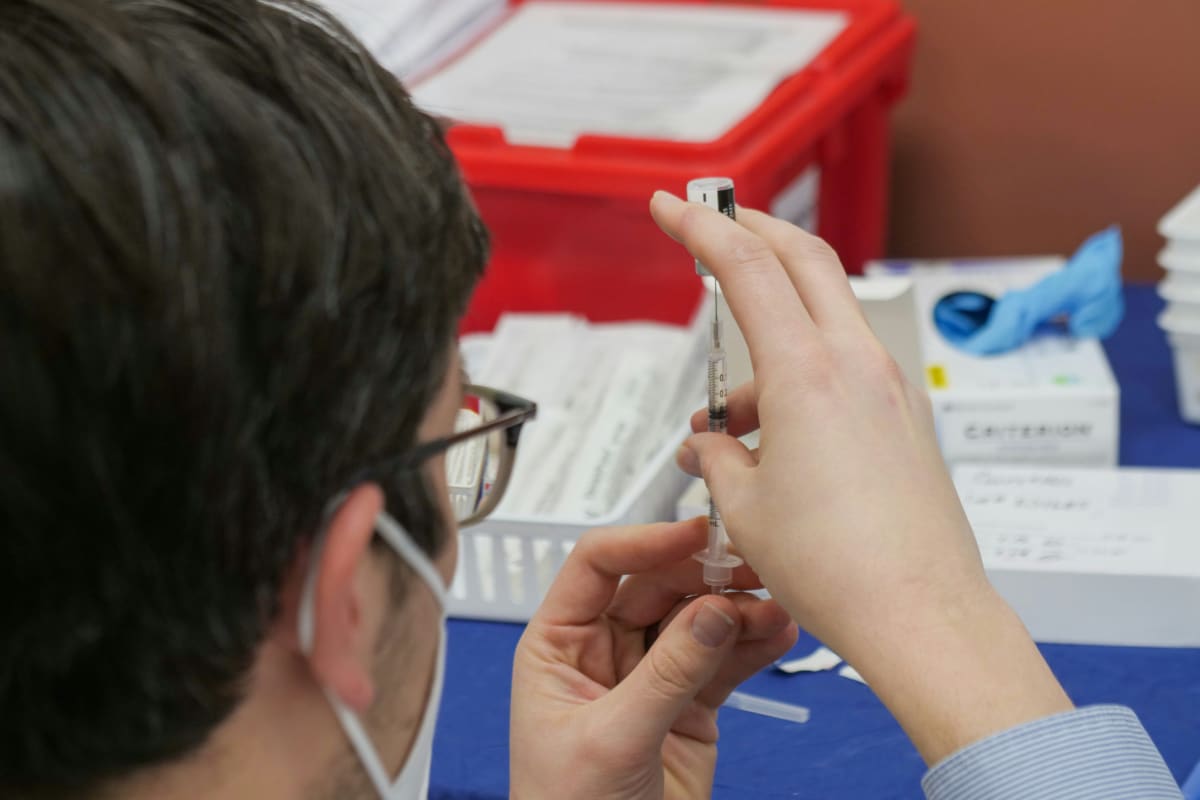
OPRA Exam Mistakes That Cost Candidates Their Pass: 8 Errors to Avoid
After working with hundreds of international pharmacists preparing for the Overseas Pharmacist Readiness Assessment (OPRA), the same mistakes come up again and again. These are not rare edge cases — they are systematic errors in preparation and exam strategy that directly cost candidates their pass.
If you are preparing for OPRA in 2026, avoiding these mistakes will significantly improve your chances of passing on your first attempt. Each mistake below includes a practical fix you can implement immediately.
Mistake #1: Not Understanding the Format Change from KAPS to OPRA
Many candidates begin their preparation using advice, study plans, or materials created for the old KAPS exam. This is a fundamental error because OPRA is a different exam with different priorities.
What changed:
- KAPS had multiple separate papers; OPRA is a single paper with 120 MCQs in 2.5 hours
- KAPS was heavily weighted toward pharmaceutical sciences recall; OPRA emphasises therapeutics and clinical application (~45% of the exam)
- KAPS tested knowledge in isolation; OPRA tests knowledge applied to clinical scenarios
- OPRA uses the scaled scoring system for scoring, which was not used in KAPS
Why it matters: If you are studying as though you are sitting KAPS — memorising drug mechanisms, chemical structures, and pharmacokinetic equations without understanding how they apply to patient care — you are preparing for an exam that no longer exists.
The fix: Start with the official APC OPRA guidance materials. Understand the five content areas and their weightings. Structure your study plan around the OPRA format, not the KAPS format. If you are using any study resource, check whether it has been updated specifically for OPRA.
Mistake #2: Studying from Outdated Materials
This goes beyond the KAPS-to-OPRA transition. Even materials labelled "OPRA preparation" can be outdated if they reference old treatment guidelines, discontinued medications, or superseded regulatory frameworks.
Common problems:
- Using old editions of the Australian Medicines Handbook (always use the current year's edition)
- Studying treatment guidelines that have been updated (e.g., changes to antibiotic first-line recommendations, updated cardiovascular risk assessment tools)
- Referencing PBS listings that have changed
- Using international guidelines instead of Australian ones
The fix:
- Use the current edition of the AMH (2025 or 2026)
- Check Therapeutic Guidelines (eTG) for the latest Australian treatment recommendations
- Verify PBS information on the PBS website
- Cross-check any study material claims against current official sources
- Be especially cautious with free online resources or forum posts — check when they were written
Mistake #3: Ignoring the Therapeutics and Patient Care Weighting
Therapeutics and Patient Care accounts for approximately 45% of the OPRA exam. This is nearly half the exam focused on clinical decision-making, therapeutic management, and patient care.
Yet many candidates spend the majority of their study time on pharmaceutical sciences — pharmacology, medicinal chemistry, and pharmacokinetics — because that is what they studied most extensively at university or what the old KAPS exam emphasised.
What the 45% actually covers:
- Selecting appropriate drug therapy for specific patient presentations
- Identifying drug interactions and knowing which ones are clinically significant
- Understanding when to escalate therapy, switch medications, or refer
- Patient counselling — what to tell patients about their medications
- Managing comorbidities and polypharmacy
- Interpreting clinical scenarios with multiple variables
The fix: Allocate your study time proportionally. If therapeutics is 45% of the exam, it should be roughly 45% of your study effort. For every drug you study, know:
- When you would use it (indications in Australian practice)
- When you would NOT use it (contraindications, interactions)
- How you would monitor it (parameters, frequency)
- What you would tell the patient (counselling points)
- What the first-line Australian guideline recommendation is
Mistake #4: Poor Time Management During the Exam
The OPRA exam gives you 120 questions in 150 minutes. That is 75 seconds per question on average.
Some questions will take 20–30 seconds — a straightforward identification or a quick calculation you know well. Others will present multi-paragraph clinical scenarios requiring careful analysis of patient history, medications, comorbidities, and lab results. These can easily take 2–3 minutes.
Candidates who do not manage their time effectively typically:
- Spend 3–4 minutes on difficult early questions, creating a time deficit
- Rush through the final 20–30 questions
- Leave questions unanswered (each unanswered question is a guaranteed zero)
- Panic when they realise they are running out of time, which degrades performance on remaining questions
The fix:
- Practise under timed conditions — this is non-negotiable. Every practice session should simulate exam timing
- Use the mark-and-move strategy: if a question is taking more than 90 seconds and you are stuck, mark it and move on. Come back to it after completing the rest
- Answer every question — there is no penalty for guessing. An educated guess has a 25% chance; a blank has 0%
- Reserve 10–15 minutes at the end for marked questions and review
- Track your pace: at question 60, you should have about 75 minutes remaining
Mistake #5: Not Practising with Mock Exams
Reading textbooks and taking notes is not the same as answering exam questions under timed conditions. Many candidates study extensively but never simulate the actual exam experience.
Why mock exams matter:
- They reveal your actual weak areas (not the ones you think you have)
- They build familiarity with MCQ question stems and distractor patterns
- They train your time management under pressure
- They reduce exam-day anxiety because the format feels familiar
- They help you identify whether you are truly ready or just feeling confident
The fix:
- Complete at least 3–5 full-length practice exams under timed conditions before your real exam
- Take the Pearson VUE sample test provided by the APC — it familiarises you with the computer interface
- After each mock exam, review every question — not just the ones you got wrong. Understand why the correct answer is correct and why each distractor is wrong
- Use GdayPharmacist practice question banks designed specifically for the OPRA format
Mistake #6: Neglecting Pharmaceutical Calculations
Pharmaceutical calculations account for approximately 10% of the OPRA exam. That may sound small, but these questions are often the difference between passing and failing because they require exact answers — there is no partial credit for being close.
Common calculation areas on OPRA:
- Dose calculations (adult and paediatric weight-based dosing)
- Unit conversions (mg to micrograms, mL to L, mg/kg/day)
- Dilution and concentration calculations
- IV flow rate calculations (drops per minute, mL per hour)
- Percentage calculations for compounding
- Body surface area calculations
Why candidates struggle: Many international pharmacists have not done manual calculations regularly since university. In practice, calculators, software, and pre-calculated dosing tables handle most of this. But OPRA requires you to do them accurately under time pressure.
The fix:
- Practise calculations every single day during your preparation period
- Work through calculations by hand (you will have an on-screen calculator in the exam, but knowing the method is essential)
- Pay attention to decimal places and rounding — a dose of 125 mg is not the same as 12.5 mg
- Memorise key conversion factors and common paediatric dosing formulas
- Double-check every calculation by working it backwards or using an alternative method
Mistake #7: Ignoring Australian-Specific Guidelines and References
This mistake is particularly common among experienced pharmacists who have practised for years in other countries. They know pharmacotherapy well — but they know it according to their home country's guidelines.
Where Australian practice differs:
- First-line treatments: Australian guidelines (eTG, AMH) may recommend different first-line agents than what you learnt. For example, antibiotic choices for common infections can differ significantly from UK, Indian, or American guidelines
- PBS restrictions: Some medications are only PBS-subsidised for specific indications or require authority prescriptions. OPRA may test whether you know which drugs have PBS restrictions
- Scheduling: Australia's S2/S3/S4/S8 scheduling system is unique. What is prescription-only in one country may be pharmacist-only in Australia, or vice versa
- TGA-approved indications: The Therapeutic Goods Administration approves medications for specific indications that may differ from other regulators (FDA, EMA, MHRA)
The fix:
- Make the AMH and Therapeutic Guidelines (eTG) your primary study references
- Learn the PBS system — understand general benefit, authority required, streamlined authority
- Study the Australian scheduling system thoroughly
- When you encounter a treatment recommendation in your study materials, verify it against Australian guidelines
Mistake #8: Not Understanding the PBS System
The Pharmaceutical Benefits Scheme is one of the most uniquely Australian aspects of pharmacy practice, and OPRA tests it. International pharmacists who have never worked within a PBS system often neglect this area entirely.
What you need to know about the PBS:
- How the PBS subsidises medications
- The difference between general and concessional patients
- Authority prescriptions vs streamlined authorities
- Common PBS restrictions (e.g., quantity limits, repeats, restricted benefits)
- Safety net thresholds
- Brand substitution rules and brand premium
The fix:
- Study the PBS system as a dedicated topic in your preparation
- Visit pbs.gov.au and familiarise yourself with how to look up medications
- Understand common scenarios: when a pharmacist can substitute brands, when an authority is needed, how to handle a prescription that exceeds PBS quantities
- Practise with real PBS scenarios in your mock exams
The Pattern Behind These Mistakes
Every mistake on this list comes down to one of three root causes:
- Preparing for the wrong exam — using KAPS-era strategies for an OPRA exam
- Preparing with the wrong focus — spending time on low-yield content instead of high-weight areas
- Not preparing realistically — studying passively instead of practising actively under exam conditions
The candidates who pass OPRA on their first attempt are not necessarily smarter or more experienced. They are the ones who understand what the exam actually tests, allocate their time accordingly, and practise in a way that mirrors the real exam.
Your Action Plan
- Confirm you are using OPRA-specific (not KAPS) study materials
- Allocate ~45% of study time to therapeutics and clinical scenarios
- Study Australian guidelines (AMH, eTG) as your primary references
- Dedicate specific study time to PBS, scheduling, and Australian regulations
- Practise calculations daily
- Complete at least 3–5 full-length timed mock exams
- Take the Pearson VUE sample test
- Review every practice question thoroughly — correct and incorrect answers
Frequently Asked Questions
What are the most common reasons candidates fail the OPRA exam?
The most common reasons include preparing with outdated KAPS-era materials, focusing too heavily on pharmaceutical sciences recall instead of therapeutics and clinical application, poor time management during the exam, and not practising under timed exam conditions with mock tests.
How is the OPRA exam different from KAPS?
OPRA replaced KAPS in March 2025. OPRA is a single paper with 120 MCQs in 2.5 hours, whereas KAPS had multiple separate papers. OPRA places much greater emphasis on therapeutics and patient care (~45% of content) and uses the scaled scoring system for scoring.
How much time do I get per question on the OPRA exam?
You have 150 minutes for 120 questions, which works out to 75 seconds per question on average. However, some questions take much less time while clinical scenario questions may take 2–3 minutes, so effective time management is essential.
Should I use KAPS study materials to prepare for OPRA?
While some foundational pharmaceutical sciences content overlaps, KAPS materials should not be your primary study resource. OPRA has different content weightings and emphasises clinical application over recall. Use materials specifically updated for the OPRA format and current Australian guidelines.
What study resources should I use for the OPRA exam?
Essential resources include the current edition of the Australian Medicines Handbook (AMH), Therapeutic Guidelines (eTG), the PBS website, official APC OPRA guidance materials, and the Pearson VUE sample test. Supplementary resources like GdayPharmacist OPRA preparation courses provide structured practice questions in the OPRA format.
How many practice exams should I do before sitting OPRA?
A minimum of 3–5 full-length practice exams under timed conditions is recommended. Each practice exam should be followed by thorough review of all questions, including those you answered correctly, to reinforce your understanding and identify any knowledge gaps.
Avoid these mistakes with structured OPRA preparation. Our courses include timed practice exams, clinical scenario questions, and Australian-specific content designed for the OPRA format. Start your free trial today.
Frequently Asked Questions
What are the most common reasons candidates fail the OPRA exam?
The most common reasons include preparing with outdated KAPS-era materials, focusing too heavily on pharmaceutical sciences recall instead of therapeutics and clinical application, poor time management during the exam, and not practising under timed exam conditions with mock tests.
How is the OPRA exam different from KAPS?
OPRA replaced KAPS in March 2025. OPRA is a single paper with 120 MCQs in 2.5 hours, whereas KAPS had multiple separate papers. OPRA places much greater emphasis on therapeutics and patient care (~45% of content) and uses the Rasch psychometric model for scoring.
How much time do I get per question on the OPRA exam?
You have 150 minutes for 120 questions, which works out to 75 seconds per question on average. However, some questions take much less time while clinical scenario questions may take 2-3 minutes, so effective time management is essential.
Should I use KAPS study materials to prepare for OPRA?
While some foundational pharmaceutical sciences content overlaps, KAPS materials should not be your primary study resource. OPRA has different content weightings and emphasises clinical application over recall. Use materials specifically updated for the OPRA format and current Australian guidelines.
What study resources should I use for the OPRA exam?
Essential resources include the current edition of the Australian Medicines Handbook (AMH), Therapeutic Guidelines (eTG), the PBS website, official APC OPRA guidance materials, and the Pearson VUE sample test. Supplementary resources like GdayPharmacist OPRA preparation courses provide structured practice questions in the OPRA format.
How many practice exams should I do before sitting OPRA?
A minimum of 3-5 full-length practice exams under timed conditions is recommended. Each practice exam should be followed by thorough review of all questions, including those you answered correctly, to reinforce your understanding and identify any knowledge gaps.
Related Articles
Pharmaceutical Calculations for OPRA: The 8 Types You Must Master
OPRA calculation questions require exact answers – close doesn't count. Here are the 8 calculation types you'll encounter, with worked examples and the common errors that cost candidates marks.
13 min read

OPRA Exam 2026: The Complete Guide to Australia's New Pharmacy Assessment
KAPS is gone. OPRA is here. Here's everything you need to know about the new Overseas Pharmacist Readiness Assessment – format, fees, dates, and what actually changed.
13 min read